A Side-by-Side Guide to Wool vs Kapok Pillows for Sleep Comfort
Explore the differences between two popular natural pillow fillings—wool and kapok—through a rigorous, reader-friendly lens. This guide examines origin stories, temperature regulation, loft and resilience, hypoallergenic properties, care, and how to tailor a choice to your sleep position and personal comfort. Intended as an educational resource, it avoids endorsements and focuses on helping you understand what matters most when selecting a pillow fill for better rest.
Origins and Core Profiles
Natural fillings offer a different relationship with the body compared to synthetic options. Wool is harvested from sheep, typically processed to remove impurities while maintaining its natural crimp and loft. Kapok is a plant-based fiber harvested from seed pods of tropical ceiba trees, appreciated for its lightness and airy feel. Both materials have long-standing use in bedding, with each bringing a distinctive set of properties to sleep experiences.
Wool-filled pillows tend to present a buoyant, springy feel that can cradle the head while promoting airflow. Wool’s temperature-regulating characteristics are rooted in its high moisture- and heat-transporting capacity, which helps balance warmth in cooler months with breathability during warmer nights. Kapok pillows, by contrast, emphasize a down-like loft with a lighter overall weight. Kapok fibers are hollow and airy, which can yield a soft, pillow-in-the-cloud sensation for some sleepers.
Temperature Regulation, Loft, and Resilience
Temperature regulation is central to sleep comfort. Wool’s natural structure creates micro-gaps that promote air movement, helping to wick moisture and prevent heat buildup. In winter, wool can feel generously cozy, restraining the potential for nighttime overheating, while in hot climates it tends to maintain a breathable surface that supports cooling air flow. Kapok’s hollow fibers contribute to a lighter, airy loft that can feel more breathable on the surface, though its insulating properties are not as pronounced as dense wool under heavy weight or high loft scenarios.
The loft or thickness of a pillow influences alignment and cushion depth. Wool pillows generally hold their shape well while compressing under pressure, but some users may experience a gradual slight compression over time as the fibers settle. Kapok pillows tend to be softer at first, with loft that can compress more quickly with use, requiring periodic adjustment to maintain the desired height. Both materials are often used in adjustable designs, where a bit of extra fill can be added or removed to tailor height and firmness.
Matching Fill to Sleep Position and Posture
Side sleepers typically benefit from a pillow with enough loft to fill the space between the shoulder and the head, supporting cervical alignment. Wool’s resilience can provide a steady lift, maintaining form through the night, while kapok’s lighter profile can be ideal for sleepers who prefer a gentler cradle. Back sleepers often seek a medium loft that supports neck curvature without pushing the head too far forward; kapok’s airy properties can deliver a comfortable cushion without extra bulk, while wool’s stabilizing loft can help maintain consistent alignment.
Stomach sleepers usually favor lower-profile options to prevent over-extension of the neck. Kapok’s soft, breathable feel—when offered in a lower-loft variant—can be appealing for those who want a minimal lift. Wool can be tuned toward lower loft if the fill is adjusted or blended, though some wool-filled designs naturally run taller. In all cases, the key is to avoid creating a misalignment that strains the neck or upper spine over hours of rest.
Hypoallergenic and Care Considerations
Hypoallergenic concerns often guide pillow selection. Wool is naturally resistant to dust mites due to its structure and moisture management, though individual sensitivities vary. Wool pillows labeled as hypoallergenic are typically processed to minimize allergens while preserving natural properties. Kapok is plant-based and naturally resistant to certain allergens; however, users with sensitivities should verify processing standards and cleanliness, as with any natural fiber.
Care routines impact longevity and comfort. Wool pillows generally benefit from spot cleaning of the cover with careful drying to preserve the fill integrity; some wool designs are machine-washable with wool-friendly cycles. Kapok pillows may be less forgiving in machine washing, with many recommendations favoring spot cleaning and hand-maintenance to protect loft and fiber structure. Always follow manufacturer guidance for any pillow, and consider protectors and removable covers to simplify maintenance and extend lifespan.
Care, Durability, and Longevity
Durability in natural fillings derives from fiber quality, processing methods, and how the pillow is used. Wool’s durability benefits from the inherent resilience of wool fibers and the way they rebound after compression. Longevity is often enhanced by a structured pillow cover, inner pillow shell, and careful laundering practices. Kapok’s lifespan can be influenced by fiber breakage and the integrity of the outer shell. When well cared for, kapok pillows can retain loft and comfort for several seasons, though they may require more frequent replenishment of fill in high-use scenarios.
Rotation and layering also matter. Regularly flipping or rotating a pillow helps distribute compression evenly, preserving loft. Using a protective cover and a washable outer shell helps shield the fill from moisture and soils. For sleepers who share a bed, consider dual-fill options or adjustable systems that let each person customize loft and firmness without compromising overall pillow balance.
Choosing Between Wool and Kapok: A Practical Framework
To decide between wool and kapok, anchor your choice to three practical axes: sleep position and posture needs, temperature and humidity in your sleeping environment, and care preferences. Start with posture: side sleepers who enjoy a pronounced loft may lean toward wool for long-lasting lift, while those seeking a softer cradle may prefer kapok. Back sleepers can experiment with both; kapok offers a lighter touch that can support neck alignment without excessive elevation, whereas wool provides a more consistent height that some readers find preferable for evening comfort.
Climate and humidity shape the comfort experience. In warm, humid environments, wool’s breathability and moisture-wicking capabilities can help maintain a cooler surface. Kapok can feel airy and light, which some sleepers appreciate in hot months, but it may soften and compress more quickly with heavy use. In cooler climates, wool’s natural insulation can create a snug feel that helps retain warmth through the night.
Care philosophy should guide selection as well. If you value machine-washable options and regular, straightforward cleaning, ensure the chosen pillow design supports that routine without sacrificing safety of the fill. If you prefer lower-maintenance care, kapok often fits with minimal cleaning demands, while wool variants that feature high-quality outer shells and protective covers can still offer reasonable care cycles with proper guidance.
Practical Tips for Everyday Sleep Comfort
- Test loft increments: If possible, choose a pillow with the ability to adjust loft through fill management or a design that accommodates adding or removing fill. Small loft changes can have a large impact on neck alignment.
- Pair with a pillowcase and cover: A breathable, well-fitting pillowcase helps maintain fill integrity and reduces friction that can lead to wear or clumping over time.
- Assess seasonal needs: You might prefer wool in winter for warmth, while Kapok’s lighter feel could suit summer or apartment environments with higher ambient temperatures.
- Consider layering: In some setups, sleepers add a thin, cool pillow over a denser one to fine-tune height and surface feel without fully altering core support.
- Check for certifications and sourcing: If hypoallergenic concerns are critical, look for textiles and fillings processed with transparent standards and, where relevant, certifications that reflect ethical sourcing and safety.
What the Field Tells Us: Observations and Trends
Across independent bedding discussions and textile-focused conversations, many readers report consistent satisfaction with wool-based pillows that maintain shape and temperature regulation. Kapok-based designs are favored by those who prefer a lighter, almost “zero-weight” feel and a softness that responds to head movement with minimal resistance. The practical takeaway is that there is no one-size-fits-all solution; the best pillow is the one that aligns with an individual’s anatomy, habits, and environment.
Designers often emphasize blend options, where a pillow combines elements of wool or kapok with other natural fibers to balance loft, resilience, and moisture management. This approach can offer a middle ground for sleepers who want both the buoyancy of kapok and the temperature-control advantages of wool without committing to a single-fiber commitment.
Product Considerations and Notable Examples
When evaluating specific products, readers should look for construction quality—such as the type of outer shell, the integrity of seams, and the filling density. A well-made pillow will retain its shape while providing consistent support throughout the night. Consider whether the product offers a way to adjust loft, a durable cover, and clear care instructions that align with your cleaning preferences.
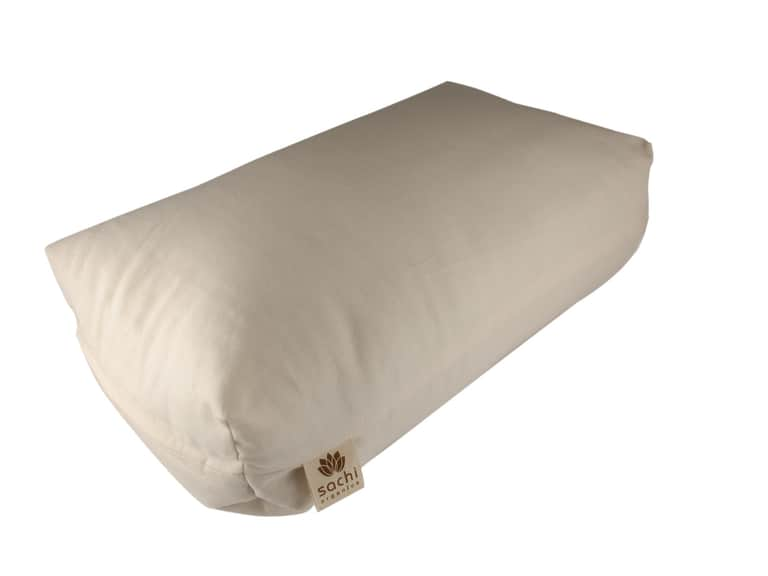
If you’re exploring options on pillows-related merchandise, a credible example from our catalog that aligns with these principles is the Shambho Pillow from Sachi Organics. Its dual-chamber design demonstrates a thoughtful approach to adjustable loft and neck support, though it incorporates wool and buckwheat hulls rather than a pure kapok fill. This serves as a reference point for how adjustable architecture can translate into a comfortable sleep surface without locking you into a single-fiber model.
Final Thoughts: A Sleep-First Mindset Toward Fill Selection
The choice between wool and kapok pillow fillings ultimately comes down to personal preference, sleep posture, and environment. Both natural options offer distinct advantages that can contribute to a calmer, more restorative night. By understanding the origins, temperature behavior, loft dynamics, and care requirements of each fill, readers can make an informed decision that aligns with their sleep goals without feeling pressured toward a particular brand or product.
As with all aspects of a sleep environment, the journey to better rest is iterative. Start with a baseline—an appropriately sized pillow with reliable cover and care instructions—and adjust as you observe how your body responds to different lofts and textures. In time, your optimal pillow may reveal itself not as a single moment of revelation but as a pattern of small, cumulative improvements in comfort, posture, and sleep quality.
Related Product References
Note: Product mentions are included only when they genuinely fit the article topic and link to their official product pages.
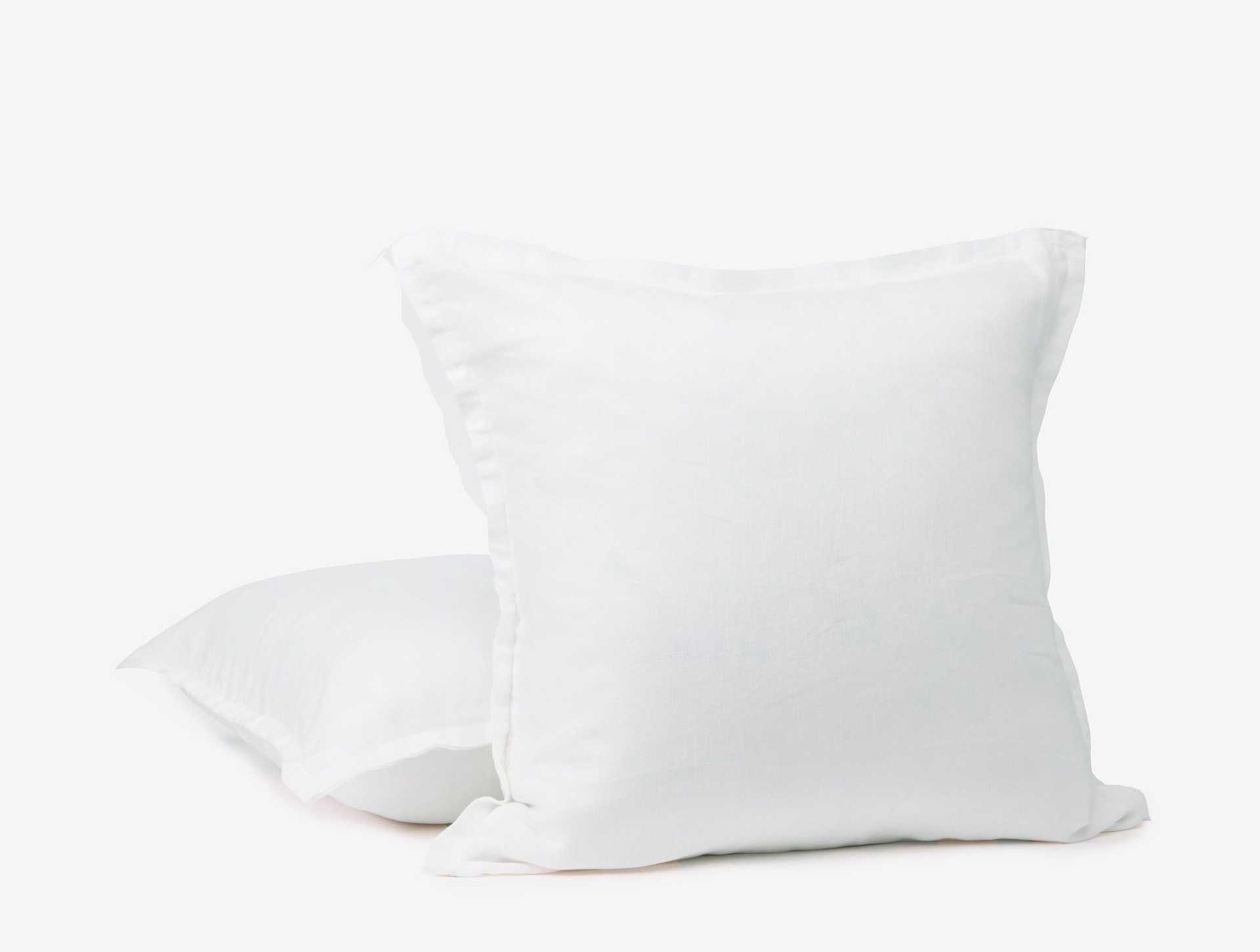
- Downtown Company Chris Pillowcases and Shams — a crisp, white percale set that complements a well-made pillow and supports a clean bed aesthetic. Link: Downtown Company Chris Pillowcases and Shams
- Shambho Pillow — a dual-chamber design featuring wool and hull-fill components for adjustable loft and neck support. Link: Shambho Pillow
Published date: September 30, 2026
Meta keywords: wool pillows, kapok pillows, sleep comfort, bedding materials, pillow filling comparison, hypoallergenic pillow fills