Cotton as a textile for bedding combines natural breathability with durable weave structures, making it a foundational choice for pillows, sheets, and other sleep accessories. Its softness can vary with thread count and fabric finish, while cotton’s moisture-wicking properties help maintain a comfortable sleeping environment across different climates and seasons.
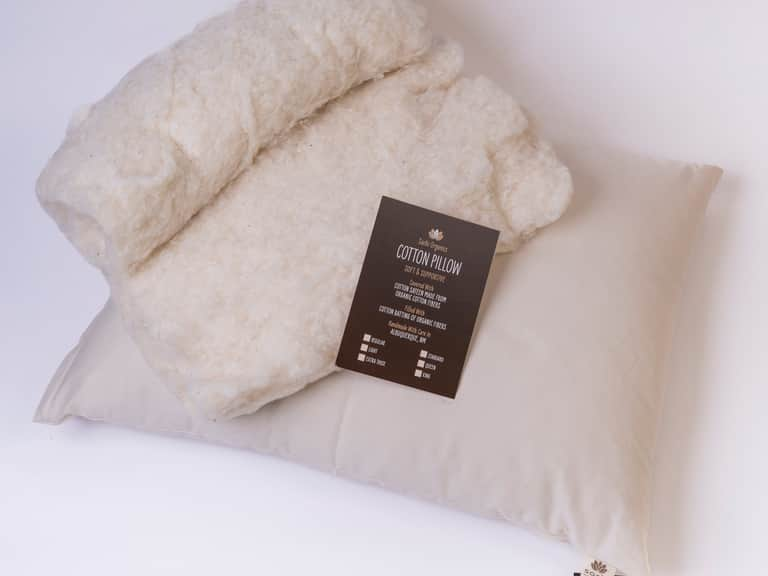
Within the cotton category, pillows can be designed to maximize support and comfort. Cotton pillow options often feature a breathable cotton casing and a filling that balances firmness and conformity, supporting proper spinal alignment and head comfort. Understanding pillow construction helps consumers match firmness, loft, and responsiveness to individual sleeping positions.
Key features to consider include fiber length, weave density, and finishing methods. Longer staple cotton tends to produce a smoother feel and improved durability, while higher thread counts can influence softness and warmth management. Finishes like mercerization or calendering impact luster and surface feel, contributing to overall user satisfaction.
For a cotton pillow, notable examples emphasize material quality and functional benefits such as hypoallergenic properties, ease of care, and resilience through repeated washing. The inclusion of cotton into pillow cores or covers can enhance airflow, reduce heat buildup, and support a clean, breathable sleep surface that remains comfortable over time.
Beyond pillows, cotton integrates with other bedding elements like sheets and comfort items, reinforcing a cohesive sleep system. The natural fiber pairs well with cushions and memory foam pillows, providing a breathable base layer and compatible texture. Understanding these relationships helps evaluate overall sleep comfort and durability in bedding ecosystems.
 Bedding