Bedding • Sleep comfort
Percale or Sateen? A Sleep-Focused Guide to Choosing Sheets
The difference between percale and sateen is not a contest of thread counts. It is a choice between two cotton weaves—and two distinct experiences against the skin. One tends to feel crisp and airy; the other smooth and softly lustrous. Which belongs on your bed depends on what you notice when you settle in: warmth, texture, weight, or the small rituals of washing and making a bed.
Sheets are the bedding closest to the body, yet choosing them can feel oddly abstract. Labels offer numbers, fiber names, finishes and promises of coolness or softness. The fabric itself remains folded in packaging, out of reach. Percale and sateen provide a more useful starting point. Both are weave structures, not fibers; either can be made from cotton, and the cotton’s quality and the fabric’s construction matter alongside the weave.
Percale is associated with a crisp, matte hand and a light, breathable feel. Sateen is known for a smoother surface and a gentle sheen, often with a more fluid drape. Neither is universally better. A warm sleeper who likes a fresh, crisp bed may lean toward percale. Someone who prefers a smooth, soft surface may gravitate toward sateen. But sleeping temperature, bedroom conditions, laundering habits and personal sensitivity to texture can all change the verdict.
The practical question is not simply, “Which sheets are best?” It is: “Which fabric is more likely to feel comfortable for me, in my room, through a full night and a week of ordinary care?” That question replaces a universal ranking with a more useful guide.
First, the essential difference: weave, not fiber
Weave describes how yarns cross one another to make fabric. Percale commonly uses a simple one-over, one-under pattern. That balanced construction produces a surface many people describe as crisp or clean-feeling, with a matte appearance. Sateen uses a different arrangement, in which yarns pass over more yarns before going under. More of the yarn lies along the surface, creating the smoother hand and subtle luster associated with sateen.
Those descriptions are useful tendencies, not guarantees. A sheet’s feel also depends on the fiber, yarn, finishing process, fabric weight and how it has been washed. A cotton percale made with fine, smooth yarn may feel different from a heavier percale. Sateen can be supple and light or more substantial, depending on its construction. The label points toward an experience; it does not tell the entire story.
It helps to separate three ideas that are often bundled together:
- Fiber: What the yarn is made from, such as cotton or linen.
- Weave: How the yarns are interlaced, such as percale or sateen.
- Finish and construction: How the fabric is made and treated, which influences its weight, surface, durability and care.
This distinction matters because “cotton” alone does not determine whether sheets feel crisp or silky. Nor does “sateen” mean satin: sateen is a woven fabric, commonly made from cotton, while satin is a different fabric category that can use different fibers and constructions.
Percale: the appeal of crisp and airy
Percale is often chosen by people who like a fresh, dry-to-the-touch surface. Its matte finish and balanced weave give it a less glossy appearance than sateen. The hand can bring to mind a well-made hotel bed: neat, cool-feeling and a little structured. With use and laundering, cotton percale often softens, though it generally retains a crisp character compared with sateen.
Its open, plain-weave structure is one reason percale has a reputation for breathability. For people who sleep warm, the sensation of a lighter, less clingy fabric can be welcome. But no sheet weave can guarantee a cooler night. Room temperature, humidity, mattress and duvet materials, pajamas and individual physiology all play a part. A breathable sheet may contribute to comfort; it cannot compensate for a sleep environment that is too warm or an overly insulating bedding setup.
Percale may suit you if you like a matte finish, a fabric that feels crisp rather than slick, or a sheet that does not seem to cling as closely to the body. It can also appeal to people who value an unfussy, classic appearance. Its surface is not necessarily rough; quality and finishing matter, and some sleepers find a freshly laundered percale particularly comfortable.
One trade-off: percale can wrinkle more visibly than sateen. That is part of its relaxed, natural look for some people and an irritation for others. If crispness is the attraction but ironing is not, remove sheets from the dryer promptly and smooth them as you make the bed. Even then, a perfectly pressed appearance may require extra effort.
Sateen: smoothness, drape and a subtle sheen
Sateen is valued for a smooth, soft surface that glides beneath the hand. The weave gives the fabric a modest sheen and a fluid drape, creating a more polished look than percale’s matte finish. For people who prefer a soft, enveloping sensation, that difference can be immediately appealing. Sateen may also feel substantial, though weight varies from one fabric to another.
Because sateen tends to feel smoother and may be woven more densely, some people find it warmer than percale. That is a possible preference difference, not a rule that applies to every product or sleeper. The fiber, fabric weight, room conditions and other bedding layers remain important. A lightweight sateen may feel comfortable in a cool room, while a warm sleeper may prefer percale regardless of the calendar.
Sateen can be a good match if crispness feels too firm or if you want a softer hand and a more flowing bed covering. Its smoother surface may also make wrinkles less conspicuous than they are on percale. It still needs appropriate care, and a glossy finish should not be mistaken for proof of superior fiber or longer life.
As with percale, the best test is sensory rather than numerical. Consider whether you want your sheets to feel cool and crisp when you first get into bed, or smooth and soft from the first touch. Think about whether you prefer a fabric that holds a little structure or one that drapes more closely. Small preferences become meaningful when repeated night after night.
Does one sleep cooler?
“Breathable bedding” is a useful search phrase, but it can suggest a single fabric will solve every temperature problem. In practice, warmth during sleep reflects the whole setup: sheets, blanket or duvet, mattress, mattress protector, sleepwear, bedroom temperature, humidity and the sleeper’s own comfort. A sheet is one layer in that system.
Percale’s crisp, airy feel is often a sensible place to start for someone who runs warm or dislikes fabric that feels close to the skin. A lighter construction and an uncluttered bedding arrangement may reinforce that preference. Sateen, with its smoother surface and potentially more substantial feel, may be more appealing to someone who gets cold or likes a little extra coziness. These are starting points, not promises of a particular body temperature.
If you wake hot, consider the full bed before replacing the sheets. A heavy duvet, synthetic mattress protector or warm sleepwear may matter as much as the weave. If the room is humid, the sensation of warmth may persist even with lightweight cotton. Conversely, a person who sleeps cold may find percale comfortable when paired with an insulating blanket.
Seasonal switching can be practical, but it is not compulsory. Some households keep percale on the bed year-round and adjust blankets; others prefer sateen in cooler months and a crisp percale in warmer weather. The right system is the one that is easy to maintain and comfortable in the conditions you actually experience.
Thread count is only one clue
Thread count—the number of threads counted in a square inch of fabric—is often treated as a shorthand for quality. It can offer limited context, but it does not settle the question of comfort. A high number does not automatically mean a sheet is softer, cooler or more durable. Yarn quality, weave, finishing and honest construction details matter, too. A very dense fabric may feel heavier or less airy to some sleepers, while a lower-count fabric made with good yarn can feel pleasing and wear well.
Rather than pursuing the largest number on a label, look for clear information about fiber content and weave. Is the sheet cotton, linen or a blend? Is it percale or sateen? Does the maker provide care instructions and explain the fabric’s finish? These details are more useful for predicting the kind of surface you will encounter than thread count alone.
Fiber quality is part of the picture. Cotton varieties and yarn processing can affect smoothness, strength and feel, but a fiber name by itself is not a complete quality verdict. Certifications may help answer particular questions about production or testing, but they should be read for what they certify—not as a guarantee that every person will find the sheet comfortable.
Construction details also deserve attention. A well-made hem, secure stitching and a properly fitted sheet can influence how bedding performs in daily use. A fabric that feels wonderful but slips off the mattress or needs care you cannot reasonably provide may not be the best fit for your home.
Care is part of the comfort decision
Sheets are not display pieces. They meet skin, sweat, hair products, skin-care products and ordinary household dust, then go through the washing cycle again and again. Care requirements should be considered before choosing a fabric, not discovered after the first wash.
Always follow the maker’s instructions, since recommended water temperature, drying method and detergent can differ by product. In general, avoiding unnecessary high heat and harsh treatment helps preserve textile fibers. Overloading a washer can prevent sheets from rinsing and moving freely; leaving damp fabric crumpled in the machine can lead to musty odors. When possible, dry sheets promptly and store them completely dry.
Percale’s tendency to wrinkle is worth weighing if you want a sharply smooth bed with minimal effort. Removing it promptly from the dryer and smoothing it while making the bed can reduce creases, but a relaxed appearance is normal. Sateen may look smoother with fewer visible wrinkles, though that does not eliminate the need for routine laundering or careful handling.
Use the right detergent amount for the load and the machine, and avoid assuming that extra product means extra cleanliness. Fabric softeners may change the hand of some textiles or leave residue, so check care guidance if you are considering them. Separate sheets from items that could snag the fabric, and wash according to the care label rather than following a universal schedule that ignores your household’s circumstances.
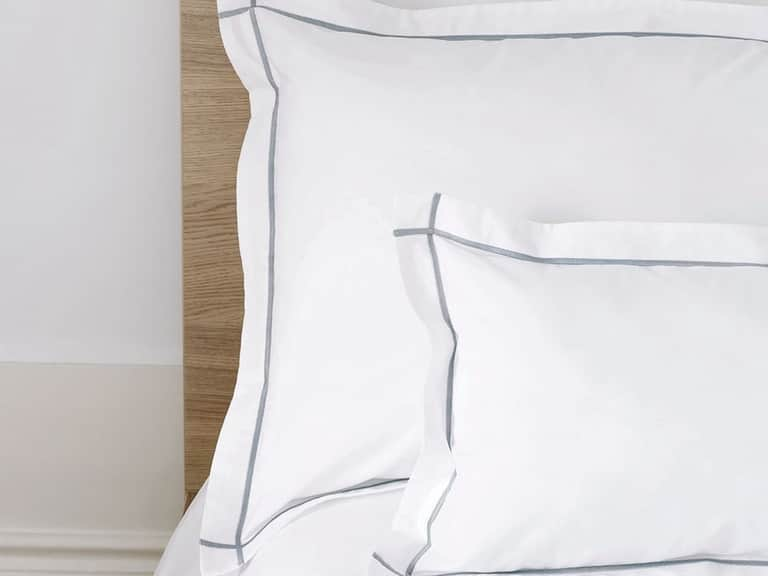
For a percale example, Bovi Classic Hotel pillowcases and shams are made from 100% cotton percale with a 200 thread count. Their crisp, breathable feel illustrates the kind of straightforward, matte surface percale is known for. Details and availability are available on the Bovi Classic Hotel Pillowcases and Shams product page. They are pillow coverings rather than a complete sheet set, but can help make the weave’s character more tangible when comparing bedding.
A practical way to choose
When trying to decide between percale and sateen, start with the sensations you already know. The preference may be hiding in an old favorite sheet, a hotel bed you remember enjoying, or the difference between a crisp cotton shirt and a smooth, draping fabric. You do not need a technical vocabulary to recognize what feels good.
- Notice your sleep temperature. If you often feel warm, start by considering percale and review the warmth of the rest of your bedding. If you tend to feel cold, sateen’s smoother, sometimes weightier feel may be appealing.
- Choose the surface you want to touch. Decide whether “crisp and matte” or “smooth and softly lustrous” sounds more inviting. These are the clearest everyday distinctions between the two weaves.
- Be honest about care. If visible wrinkles bother you, factor them in. If you prefer a relaxed bed and do not want to iron, percale can still work—provided its natural creasing does not trouble you.
- Read beyond the headline number. Check fiber, weave, finishing and washing instructions. Treat thread count as one detail among several, not a final score.
- Think about the whole bed. Sheets interact with the mattress, protector, blankets, duvet and sleepwear. A change in one layer may be more useful than replacing everything.
- Test where possible. If you can handle a fabric sample or examine a pillowcase, notice its surface and weight. If you cannot, use the product description and return policy to understand the decision you are making.
A simple checklist can keep the choice grounded. Ask yourself: Do I run warm? Do I want a crisp or smooth hand? Is a matte or gently lustrous look more appealing? Am I willing to tolerate wrinkles or adjust laundry habits? What is the fiber, and how is the fabric woven? Does the care label fit the way I actually do laundry? If the answers point consistently in one direction, that is a better guide than any claim that one weave is best for everyone.
Common misconceptions, clarified
“Percale is always cooler.” Percale’s crisp, airy character makes it a frequent choice for warm sleepers, but warmth depends on more than weave. The fabric’s weight, bedroom conditions and other bedding layers count.
“Sateen is always slippery or shiny.” Sateen is generally smoother and has more luster than percale, but the degree varies. Its defining quality need not be an exaggerated shine; it can simply feel softer and drape more fluidly.
“Higher thread count means better sleep.” Thread count does not measure comfort on its own. Fiber, yarn, construction, finish and personal preference all contribute to the experience.
“One weave is more luxurious.” Luxury is partly a matter of preference and partly of construction. A crisp, breathable sheet can feel refined; a soft, smooth one can feel equally considered. Neither texture is inherently more restful.
“The label guarantees the result.” Weave names describe a broad construction, but the finished feel varies. When possible, touch the fabric. When not, seek specific product details and avoid interpreting marketing language as a universal promise.
The best sheet is the one you stop noticing
Good bedding is often quiet. It supports rest without demanding attention: no persistent heat, no texture that distracts, no difficult routine that turns laundry into a negotiation. Percale and sateen offer two different routes to that ease. Percale brings crispness, a matte finish and an airy impression. Sateen offers smoothness, gentle luster and a more fluid hand.
For a warm sleeper who likes a fresh, structured surface, percale is a natural first consideration. For someone who favors softness and drape, sateen may be the more appealing place to begin. If you remain uncertain, focus on the tactile difference rather than the status of either weave. Your preferred sheet should make sense in the room, through your normal wash routine and against your skin.
There is no universal winner because there is no universal sleeper. The useful choice is the one that respects your temperature, texture preferences and habits—and makes the bed feel like a place to settle, not another decision to revisit.
Quick takeaway
- Percale: Usually crisp, matte and airy-feeling; a strong starting point for people who like a fresh surface or sleep warm.
- Sateen: Usually smoother, softer and gently lustrous; a strong starting point for people who prefer a fluid drape.
- For either weave: Check fiber, construction, care instructions and fabric weight. Thread count alone cannot predict comfort.
- For better decisions: Consider the entire bedding setup and choose according to your own nights, not a universal ranking.